Understanding Metal Roofing Options
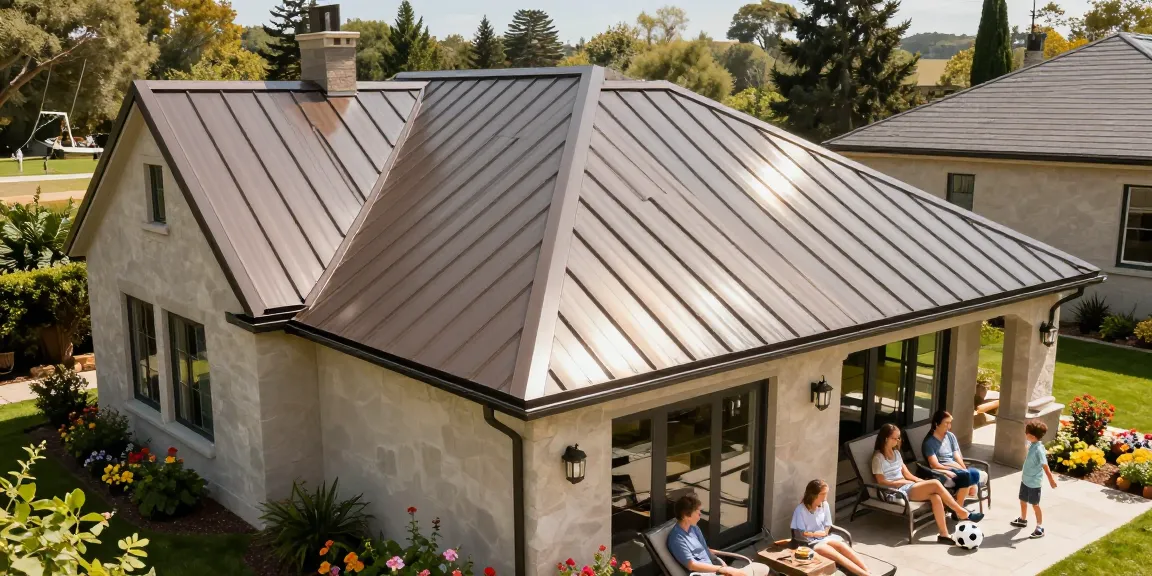
Metal roofing has emerged as a popular choice for homeowners looking for durability, energy efficiency, and aesthetic appeal. With an array of materials and styles available, understanding what options exist is crucial for making an informed decision. When exploring options, metal roofing contractor can provide comprehensive insights into what might work best for your home. This guide aims to delve into the different types of metal roofing, their advantages, and common misconceptions that might deter homeowners from considering this innovative roofing solution.
What Are the Different Types of Metal Roofing?
Metal roofing encompasses several types, each with unique characteristics and benefits. The most common types include:
- Steel Roofing: Often galvanized or coated with zinc, steel roofs are strong and resistant to rust, making them suitable for various climates.
- Aluminum Roofing: Lightweight and corrosion-resistant, aluminum roofs are an excellent choice for coastal areas where saltwater can cause rust.
- Copper Roofing: Known for its longevity and aesthetic appeal, copper roofs can last over 100 years, developing a beautiful patina over time.
- Galvalume Roofing: A blend of aluminum and zinc, Galvalume offers enhanced corrosion resistance and durability, making it a popular choice for commercial buildings.
Advantages of Metal Roofing for Homeowners
Opting for a metal roof brings numerous advantages:
- Longevity: Metal roofs can last 40-70 years with proper maintenance, significantly outpacing traditional asphalt shingles.
- Energy Efficiency: Metal reflects solar radiant heat, reducing cooling costs by up to 25% in hot climates.
- Environmentally Friendly: Many metal roofing materials are made from recycled content and are 100% recyclable at the end of their lifespan.
- Minimal Maintenance: Metal roofs require less maintenance than traditional roofing materials, saving homeowners time and money.
Common Misconceptions about Metal Roofing
Despite its growing popularity, several misconceptions about metal roofing persist:
- Noise: Many believe metal roofs are excessively noisy during rain or hail. In reality, proper insulation and installation greatly minimize noise.
- Rust: A common myth is that metal roofs rust easily. Modern metal roofing materials come with protective coatings that prevent rust and corrosion.
- Lightning Strikes: Some homeowners fear that metal roofs attract lightning, but they are no more likely to be struck than other roofing materials.
Selecting a Qualified Metal Roofing Contractor
Choosing the right contractor for your metal roofing project is critical to ensuring a successful installation. A qualified metal roofing contractor brings expertise and experience to the table, helping to avoid common pitfalls.
How to Evaluate Potential Contractors
When evaluating potential contractors, consider the following factors:
- Experience: Look for contractors with a proven track record in metal roofing.
- Licensing and Insurance: Ensure they are licensed and have adequate insurance to protect you and your property.
- References: Request references from previous clients to gauge their satisfaction and the quality of work performed.
Questions to Ask Your Metal Roofing Contractor
Before hiring a contractor, asking specific questions can help clarify their capabilities and practices:
- How long have you been installing metal roofs?
- What types of metal roofing do you recommend?
- Can you provide a written estimate and detailed timeline for the project?
- What warranties do you offer on both materials and labor?
Red Flags to Watch Out For
Be aware of these potential red flags when selecting a contractor:
- Lowball estimates that are significantly cheaper than others.
- Lack of proper licensure or insurance documentation.
- Negative online reviews or no online presence at all.
Installation Process for Metal Roofing
The installation of a metal roof involves several critical steps, each requiring precision and skill. It's vital to ensure that your contractor follows these steps meticulously to guarantee durability and performance.
Steps Involved in Metal Roof Installation
The typical installation process includes the following key steps:
- Inspection: A thorough inspection of the current roof condition is carried out.
- Preparation: Removal of old roofing materials, if necessary, and repairs to the underlying structure.
- Installation of Underlayment: A protective layer is installed to provide insulation and prevent moisture infiltration.
- Metal Panel Installation: Panels are secured in place starting from the lowest point of the roof, ensuring proper alignment.
- Flashing and Trim Installation: Flashing is applied around chimneys, vents, and edges to prevent leaks.
Safety Measures for Roof Installation
Safety is paramount during the installation process. Contractors should adhere to the following safety measures:
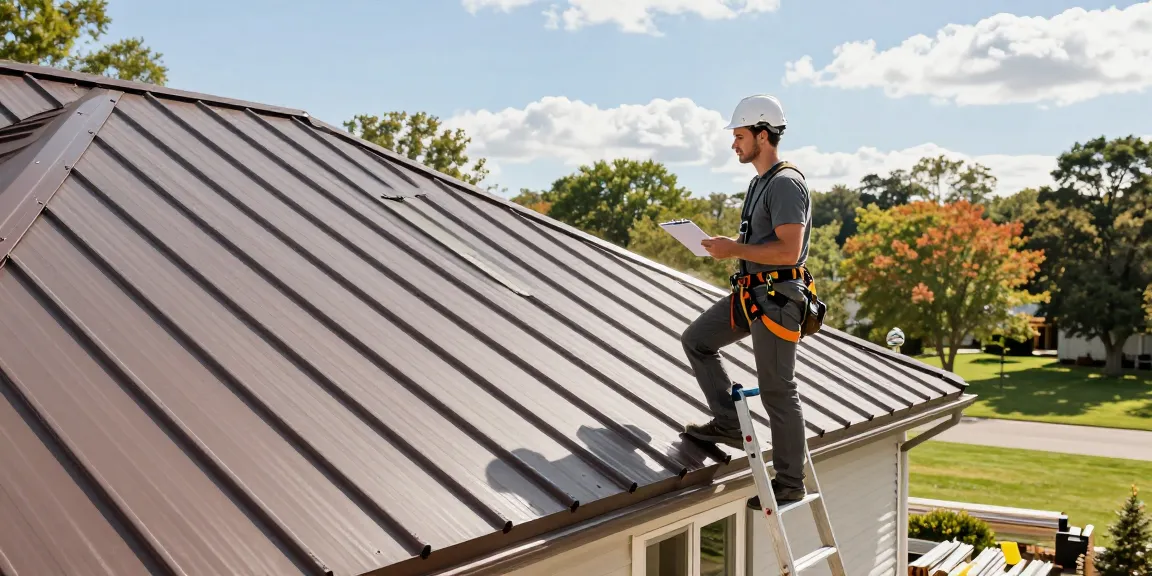
- Use personal protective equipment (PPE) such as hard hats, safety goggles, and harnesses.
- Ensure scaffolding is erected properly and ladders are stable.
- Have a clear communication plan to address any safety concerns promptly.
Timeframe: How Long Does Installation Take?
The duration for metal roof installation can vary depending on several factors, including roof size, complexity, and weather conditions. Typically, installations can take anywhere from a few days to a week for a residential structure.
Maintaining Your Metal Roof
With proper maintenance, a metal roof can last for decades. Here are essential maintenance tips to prolong its life.
Routine Maintenance Tips for Longevity
Regular maintenance entails:
- Inspecting the roof at least twice a year for signs of damage or wear.
- Cleaning debris like leaves and branches to prevent water buildup.
- Checking for loose panels or fasteners and tightening them as needed.
Signs Your Metal Roof Needs Repair
Look for these warning signs to determine if your roof requires repairs:
- Visible rust spots or corrosion.
- Leaks or water stains on the interior ceilings.
- Loose or missing panels that may compromise the roof's integrity.
Seasonal Preparations for Extreme Weather
Preparing your metal roof for seasonal changes can prevent significant damage:
- Winter: Ensure that snow and ice do not accumulate, as this can lead to increased weight and potential leaks.
- Summer: Keep an eye on any exposed areas that may be susceptible to UV degradation.
Future Trends in Metal Roofing
The metal roofing industry is continuously evolving, with several trends on the horizon that homeowners should be aware of.
Innovations to Expect in Metal Roofing Materials
Expect advancements in metal roofing materials that enhance longevity and performance. Technologies that promote better energy efficiency, such as reflective coatings and improved insulation, will likely become more prevalent.
Eco-friendly Options in Metal Roofing
As sustainability becomes a priority, increased interest in eco-friendly metal roofing options is evident. This includes the use of recycled materials and sustainable manufacturing practices, which appeal to environmentally conscious homeowners.
Forecasting the Metal Roofing Market by 2026
Analysts predict strong growth in the metal roofing sector, driven by rising awareness of energy efficiency and durability. The market is expected to expand as more homeowners recognize the benefits of investing in metal roofs.
FAQs
What is the average lifespan of a metal roof?
The lifespan of a metal roof typically ranges from 40 to 70 years, depending on the material used and maintenance practices.
Are metal roofs energy-efficient?
Yes, metal roofs are energy-efficient, often reflecting solar heat and reducing energy costs significantly during hot months.
How do metal roofs withstand extreme weather?
Metal roofs are designed to tolerate high winds, heavy rain, and snow, with many materials rated to withstand severe weather conditions without significant wear.
Can I install a metal roof over an existing roof?
Yes, metal roofs can often be installed over existing roofs, provided the underlying structure is sound and meets local building codes.
What colors are available for metal roofing?
Metal roofing comes in a variety of colors, allowing homeowners to choose styles that complement their home's aesthetics.