5 Essential Suture Kits Lessons from Healthcare Experts
Understanding the Importance of Suture Kits in Healthcare
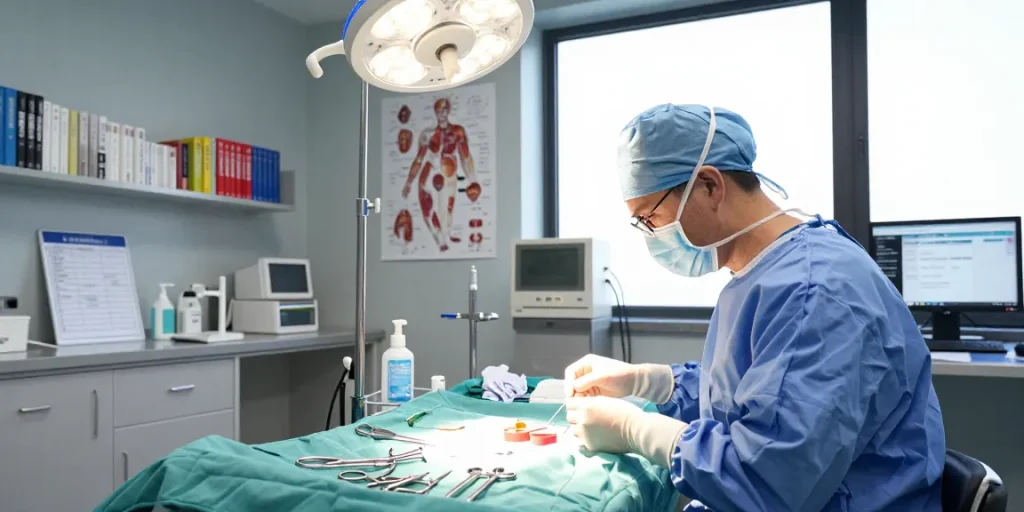
Suture kits are essential tools in healthcare that enable medical professionals to perform various surgical and wound closure procedures effectively. With a comprehensive array of components, these kits facilitate the speedy and safe stitching of tissues, making them indispensable in both emergency and elective surgeries. Understanding the significance of these kits goes beyond their mere functionality; it encompasses the implications they have on patient outcomes and the overall efficiency of healthcare delivery. When exploring options, suture kits provide comprehensive insights into what healthcare providers need for optimal patient care.
What Are Suture Kits and Their Components?
Suture kits are organized collections of tools and materials specifically designed for the suturing process. Each kit typically includes:
- Sutures: Materials used to close wounds, available in absorbable and non-absorbable types.
- Needles: Various gauges and sizes designed to complement the sutures.
- Scissors: Essential for cutting sutures and other materials.
- Forceps: Used for grasping and manipulating tissues.
- Antiseptics: Solutions to disinfect the area before stitching.
- Instructions: Guidelines on how to use the kit effectively.
The quality of these components plays a crucial role in the overall effectiveness of the suture kit, impacting not just the procedure’s success but also the recovery process for patients.
The Role of Suture Kits in Patient Care
Suture kits are vital in ensuring high standards of patient care. They serve multiple functions, including:
- Wound Closure: Facilitating the healing process by securely closing wounds.
- Infection Prevention: Proper use of sterilized sutures reduces the risk of postoperative infections.
- Minimizing Scarring: With the right techniques and materials, sutures can enhance cosmetic outcomes.
Moreover, having a well-equipped suture kit ensures that healthcare providers can respond promptly to injuries, significantly impacting patient outcomes.
Common Misconceptions About Suture Kits
Despite their importance, several misconceptions about suture kits persist. Some common myths include:
- All sutures are the same: There is a wide variety of sutures catering to different medical needs.
- Only surgeons need suture kits: Various healthcare professionals, including nurses and emergency responders, require suture kits.
- Sutures are only for large wounds: Even minor cuts may need sutures to prevent infection and promote healing.
Dispelling these myths is crucial for ensuring that all medical professionals understand the importance of having readily available suture kits.
Choosing the Right Suture Kits for Different Procedures
Selecting the appropriate suture kit is vital for achieving optimal results in various surgical procedures. Factors influencing this choice can include the type of procedure, patient needs, and specific medical practices.
Types of Sutures: Absorbable vs. Non-Absorbable
The choice between absorbable and non-absorbable sutures is a critical consideration. Absorbable sutures dissolve over time and do not require removal, making them ideal for internal use, while non-absorbable sutures are necessary for external wounds that need to withstand more tension and may need to be removed later.
Size and Material Considerations for Suture Kits
Different procedures require specific sizes and materials of sutures. Some materials, like silk or nylon, are better for certain wound types, while others, such as polyglycolic acid or polydioxanone, are suited for absorbable applications. Understanding these differences is crucial for adequate wound management.
Specialty Suture Kits for Specific Medical Fields
Many medical fields have unique requirements concerning suture kits. For instance:
- Ophthalmology: Specialized kits with very fine sutures for delicate eye surgeries.
- Pediatrics: Kits tailored for children, often featuring child-friendly suture materials.
- Orthopedics: Utilizing heavy-duty sutures to repair muscles or tendons.
Customizing kits for specific fields ensures that healthcare providers are equipped to handle the distinct challenges of various medical scenarios.
Best Practices for Using Suture Kits Effectively
Employing best practices in utilizing suture kits can enhance patient safety and procedural success, making it essential for medical professionals to be well-versed in these techniques.
Preparation and Setup for Surgical Procedures
Before beginning a surgical procedure, it’s crucial to prepare the workspace properly. This includes sterilizing the areas and instruments, organizing the suture kit efficiently, and ensuring all components are on hand and functional. A well-prepared environment minimizes complications during the procedure.
Common Techniques for Stitching and Repair
Different stitching techniques can be employed depending on the nature of the wound. Common techniques include:
- Interrupted sutures: Individual stitches that can be adjusted as needed.
- Continuous sutures: A running stitch that is quicker to apply but can be less secure.
- Subcuticular sutures: Placed just under the skin to minimize scarring.
Mastering these techniques is essential for achieving optimal wound closure and minimizing scarring.
Post-Procedure Care and Suture Management
After suturing, proper care is crucial for preventing infection and promoting healing. This includes educating patients on caring for their sutures, such as keeping the area clean and dry, recognizing signs of infection, and knowing when to return for suture removal if applicable.
Innovative Trends in Suture Kits for 2026
As the healthcare landscape evolves, so do the tools used within it. Innovative trends in suture kits are emerging, indicating a future where efficiency and patient safety are even more prioritized.
Technological Advances in Suture Materials
Recent advancements have led to the development of newer suture materials that promote faster healing and reduce scarring. Biodegradable sutures are becoming more popular, offering surgeons the ability to close wounds effectively without the need for future removal.
Integration of Smart Technology in Suture Kits
Smart technology is making its way into suture kits with the introduction of sensors that can monitor tension and healing progress. This data can lead to improved outcomes and more personalized patient care.
Future of Suture Kits in Surgical Education and Training
With the rise of simulation-based training programs, the use of advanced suture kits in educational settings is becoming more prevalent. These kits often include synthetic tissues designed to mimic real-life conditions, allowing for hands-on practice without risk to patients.
Measuring Success: Indicators of Effective Suture Kit Usage
To evaluate the success of suture kit usage, healthcare providers can look at various outcome indicators that reflect on the effectiveness of their practices.
Patient Outcomes and Recovery Times
Tracking patient recovery times and outcomes post-surgery provides insight into the effectiveness of the sutures used. Reduced infection rates, minimal scarring, and quicker recoveries indicate the success of proper suture kit use.
Feedback from Surgical Teams and Healthcare Providers
Collecting feedback from surgical teams who utilize the kits can yield valuable information regarding the efficacy and areas for improvement. Open lines of communication ensure continuous enhancement in the choice and use of suture kits.
Data-Driven Decisions for Suture Kit Improvements
Implementing data analytics can help healthcare facilities evaluate their suturing practices quantitatively. This data-driven approach allows for informed decisions concerning which kits to stock and any training needs for staff.
What Should Be Included in a Suture Kit?
An effective suture kit should include the following components:
- Various sizes of absorbable and non-absorbable sutures
- A selection of needles and scissors
- Forceps and clamps
- Antiseptics and wipes for sterilization
- Clear instructions and guides for use
Ensuring these elements are included can provide comprehensive support for healthcare professionals during procedures.
How Often Should Suture Kits Be Replenished?
The frequency of replenishing suture kits depends on usage rates. Regular audits can help determine when kits need restocking, ensuring that medical professionals have what they need on hand when emergencies arise.
What Are the Best Practices for Sterilizing Suture Kits?
Effective sterilization practices are crucial in preventing infections. This includes:
- Using autoclaves for sterilization of reusable instruments.
- Employing single-use kits wherever possible to ensure sterility.
- Following strict protocols for storage and handling of sutures.
All staff must be trained in these practices to maintain high standards of patient care.
What Innovations Are Expected in Suture Kits in 2026?
Looking ahead to 2026, we can anticipate revolutionary changes in suture kits. Innovations may include:
- Enhanced materials that further reduce healing times.
- More integrated smart technologies capable of providing real-time feedback.
- Greater accessibility to specialized kits designed for specific demographics and procedures.
These advancements will likely contribute to improved patient care and surgical outcomes in the future.