Metal Roof Panels and Tiles Traps: What to Watch Out For in 2026

The Benefits of Metal Roof Panels and Tiles
Metal roof panels and tiles have surged in popularity as a durable and aesthetically pleasing option for homeowners and builders alike. Their unique blend of functionality and style makes them a smart choice for various architectural designs, providing long-lasting benefits that include exceptional durability, energy efficiency, and a wide range of aesthetic options. When exploring options, metal roof panels and tiles can be an integral part of enhancing not only the roof but the overall value of a property.
Durability and Longevity of Metal Roofing
One of the standout features of metal roofing systems is their unparalleled durability. Unlike traditional roofing materials like asphalt shingles, metal roofs can withstand severe weather conditions, including high winds, heavy snow, and hail. For instance, metal roof panels boast a lifespan of 40 to 70 years, significantly outpacing the longevity of most other roofing materials. Furthermore, many metal roofing options are resistant to corrosion and rust, provided they are properly coated and maintained.
Investing in metal roof panels means fewer repairs and replacements over the years, translating into lower long-term costs. This durability ensures that homeowners and commercial property owners can enjoy peace of mind, knowing their roofs can endure the elements without compromising structural integrity.
Energy Efficiency and Cost Savings
Another compelling advantage of metal roofing systems is their energy efficiency. Many metal roofs feature reflective coatings that can effectively reduce cooling costs during warm months. By reflecting sunlight, these roofs can help keep indoor environments cooler, thereby decreasing reliance on air conditioning systems. According to the U.S. Department of Energy, homes with metal roofing can see energy savings of up to 25% compared to conventional roofing materials.
Moreover, metal roofing can contribute to lower insurance premiums given their fire-resistant properties. Many insurers offer discounts for homes equipped with metal roofs, recognizing their risks of fire and wind damage as significantly lower. Thus, the upfront investment in metal roof panels can yield savings that accumulate over time, making them a practical choice.
Aesthetic Appeal: Styles and Colors
The aesthetic versatility of metal roofing is another significant factor behind its popularity. Metal roof panels and tiles are available in various styles, colors, and finishes, allowing homeowners to achieve their desired look. From sleek modern designs to classic European styles, there’s a metal roofing solution that can complement any architectural style.
- Monterey Metal Tiles: These tiles mimic the appearance of Mediterranean clay tiles, providing a distinctive look without the associated weight or maintenance issues.
- Standing Seam Metal Roofing: Known for its clean lines and sleek profile, standing seam roofing is perfect for modern designs.
- Bond Style Metal Tiles: Ideal for homeowners seeking a traditional feel with modern durability, bond style tiles offer the appearance of tile without the typical drawbacks.
The expansive range of colors available—from earthy tones to vibrant hues—ensures that homeowners can find an option that suits their personal taste while enhancing their property’s curb appeal.
Understanding Different Types of Metal Roofing
Monterey Metal Tiles Explained
Monterey metal tiles are designed to provide the alluring look of traditional tile roofing while incorporating the benefits of metal. Constructed from durable materials, these tiles are not only lightweight but also allow for easy installation and reduced structural load on the building. When installed correctly, they can last decades without significant maintenance.
Additionally, Monterey metal tiles are available in various colors and finishes, giving homeowners the flexibility to customize their home’s exterior. This combination of style and durability makes them a sought-after option for both new constructions and roof replacements.
Comparing Standing Seam and Bond Style Tiles
When considering metal roofing options, standing seam and bond style tiles are two of the most popular choices. Standing seam roofs feature vertical panels that run from the ridge to the eaves, creating a sleek and modern look. These roofs are particularly effective at shedding water and snow, making them ideal for regions with heavy rainfall or snow accumulation.
In contrast, bond style metal tiles resemble traditional clay tiles, making them a great option for homeowners who prefer a more classic look. They offer good water resistance but may require more careful installation to ensure the seams are watertight. Ultimately, the choice between standing seam and bond style tiles will depend on the homeowner’s aesthetic preferences and environmental considerations.
Choosing Between Modern and Traditional Designs
Deciding between modern and traditional metal roofing designs often depends on the overall design of the home. Modern designs typically incorporate clean lines and minimalistic aesthetics, while traditional styles draw on historical architectural elements. Homeowners should consider their neighborhood and the architectural style of their home when making this decision, as a well-chosen roof can significantly enhance property value and appeal.
Installation Considerations for Metal Roofs
Professional Installation vs. DIY Options
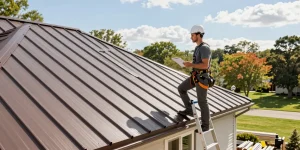
While some homeowners may be tempted to install metal roofing systems themselves, the complexity of the task often warrants professional assistance. Proper installation is crucial to ensure warranties are valid and roofing performance is optimized. Professional metal roofing installers, like those available through MRoof, have the experience and tools necessary to handle unique challenges that may arise during installation.
DIY enthusiasts should be aware of the unique handling and installation requirements of metal roofing. A single misstep can lead to leaks or structural issues. Therefore, unless they possess extensive roofing knowledge, it’s usually advisable to hire professionals for optimal results.
Common Installation Challenges and Solutions
Metal roofing installation may come with its own set of challenges. For example, due to the material’s expansion and contraction properties, installers must account for thermal movement. Failing to do so can lead to warping or buckling over time. Properly designed flashing is essential to prevent leaks, especially at seams and roof penetrations.
Another common challenge is ensuring adequate insulation and ventilation, which can affect building energy efficiency. Installing underlayment and insulating layers is vital in preventing condensation and improving thermal performance. Engaging with experienced professionals can help mitigate these issues and enhance the overall roof’s reliability.
Steps for Successful Metal Roof Installation
To ensure successful installation, several key steps should be followed:
- Preparation: Assess the existing roof structure and remove old roofing materials.
- Underlayment Installation: Lay down a quality underlayment that provides moisture protection.
- Metal Panel Installation: Follow manufacturer guidelines to secure panels, paying attention to proper overlap and fastening techniques.
- Flashing Installation: Install flashing at joints and roof penetrations to prevent leaks.
- Final Inspection: Conduct a thorough inspection to ensure everything is properly secured and sealed.
Maintenance and Care for Metal Roofs
Regular Inspections and Upkeep
Metal roofs are relatively low-maintenance compared to traditional roofing materials. However, regular inspections are essential to ensure long-term performance. Homeowners should inspect their roofs at least twice a year and after severe weather events, looking for signs of damage, such as loose panels or rust formation. Addressing minor issues promptly can prevent more significant problems down the line.
Addressing Rust and Corrosion Issues
While many metal roof systems are coated to resist rust, they can still be susceptible to corrosion over time. Homeowners should keep an eye out for any visible rust and treat it immediately using appropriate cleaning solutions and paints designed for metal roofing. Additionally, ensuring proper drainage helps prevent water accumulation, which can contribute to rust formation.
Long-term Care Tips for Metal Roof Panels and Tiles
To prolong the lifespan of metal roofing systems, consider the following care tips:
- Keep gutters and downspouts clear to ensure proper water flow.
- Remove debris such as leaves or branches that can trap moisture against the roof.
- Repaint or touch up scratched areas to maintain protective layers.
- Ensure trees are trimmed back to prevent limbs from damaging the roof.
Future Trends in Metal Roofing (2026 and Beyond)
Innovative Materials and Technologies
The future of metal roofing is poised for significant advancements, particularly in materials and technology. Innovations such as lightweight composite materials and improved protective coatings promise to enhance durability while reducing environmental impact. Moreover, the integration of solar technology into metal roofing systems is becoming more common, allowing homeowners to harness renewable energy efficiently.
Sustainability in Metal Roofing
As sustainability becomes a priority for the construction industry, metal roofing offers significant eco-friendly benefits. Many metal roofing products are made from recycled materials and are themselves recyclable at the end of their life cycle. This aligns with the growing consumer demand for sustainable building solutions.
Market Predictions for Metal Roofing Demand
According to industry forecasts, the demand for metal roofing is expected to continue rising due to its durability, energy efficiency, and aesthetic appeal. As more homeowners become aware of the benefits of metal roofs, along with increasing interest in energy-efficient building practices, metal roofing will likely be a leading choice in the coming years. In addition, government incentives for sustainable materials will further boost the market.
What are the advantages of metal roof panels?
Metal roof panels offer numerous advantages, including longevity, energy efficiency, and a variety of aesthetic options. They are known for their durability and ability to withstand extreme weather conditions, making them an ideal choice for many homeowners.
How long do metal roof panels last?
Typically, metal roof panels can last between 40 to 70 years, depending on the material and installation method. Proper maintenance can further extend their lifespan.
Can metal roof tiles mimic traditional roofing styles?
Yes, metal roof tiles can be designed to resemble traditional roofing materials such as clay or slate. This versatility allows homeowners to achieve the desired aesthetic while benefiting from the advantages of metal.
What maintenance is required for metal roofing?
Metal roofing requires minimal maintenance but benefits from regular inspections, cleaning, and prompt repairs to any damage or rust. Maintaining proper drainage is also crucial in preventing water-related issues.
Are metal roofs environmentally friendly?
Absolutely. Many metal roofing materials are made from recycled content, and metal roofs are fully recyclable at the end of their life, making them a sustainable choice in the roofing industry.